Houston Museum of Natural Science
This landmark sits on Hermann Park Drive and is a major orientation point for the surrounding residential streets. If you are near the museum, we know exactly where to turn.
Leak Detection in Museum District TX starts with listening, not guessing. We use acoustic listening devices and thermal imaging cameras to pinpoint slab leaks, pinhole leaks, and hidden pipe failures under historic homes near Hermann Park and the Museum of Fine Arts. One visit, one clear answer, and a repair plan that protects your foundation and your water bill.
Tell us what is happening. Our local team will confirm your visit shortly.
Call Now 8328394984 → No spam. No obligation. Just practical help.Every leak is different, and the tools that find one will miss another. In Museum District, we see slab leaks under historic bungalows, sewer line failures from root intrusion, and pinhole leaks in copper pipe that has been in the ground since the 1950s. If you are searching for Leak Detection near me Museum District TX, we bring the full toolkit: acoustic listening devices, thermal imaging cameras, tracer gas detectors, and pipe inspection cameras. We diagnose first, then recommend the repair that actually solves the problem.
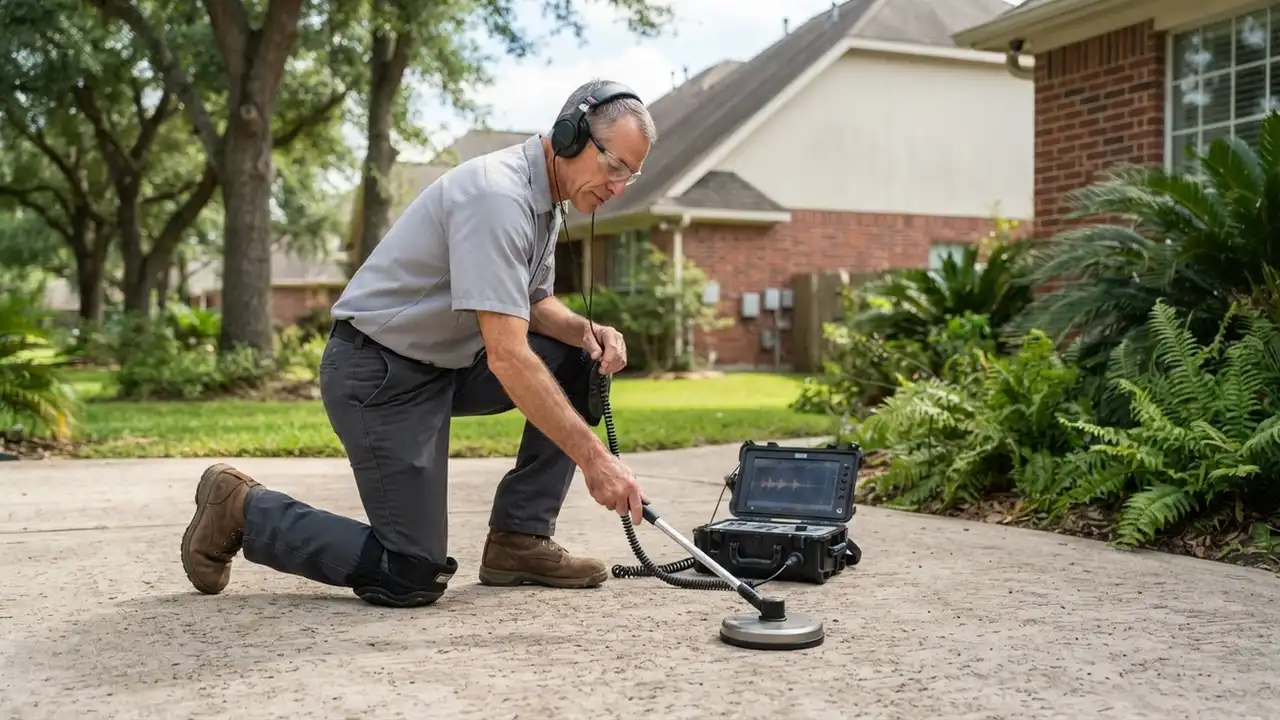 Slab Leak DetectionSlab leaks are common in Museum District's older homes where copper pipe runs directly under the foundation. We use acoustic listening devices and thermal imaging to pinpoint the exact break without breaking concrete unnecessarily. Most slab leak locations take two to four hours.View details →
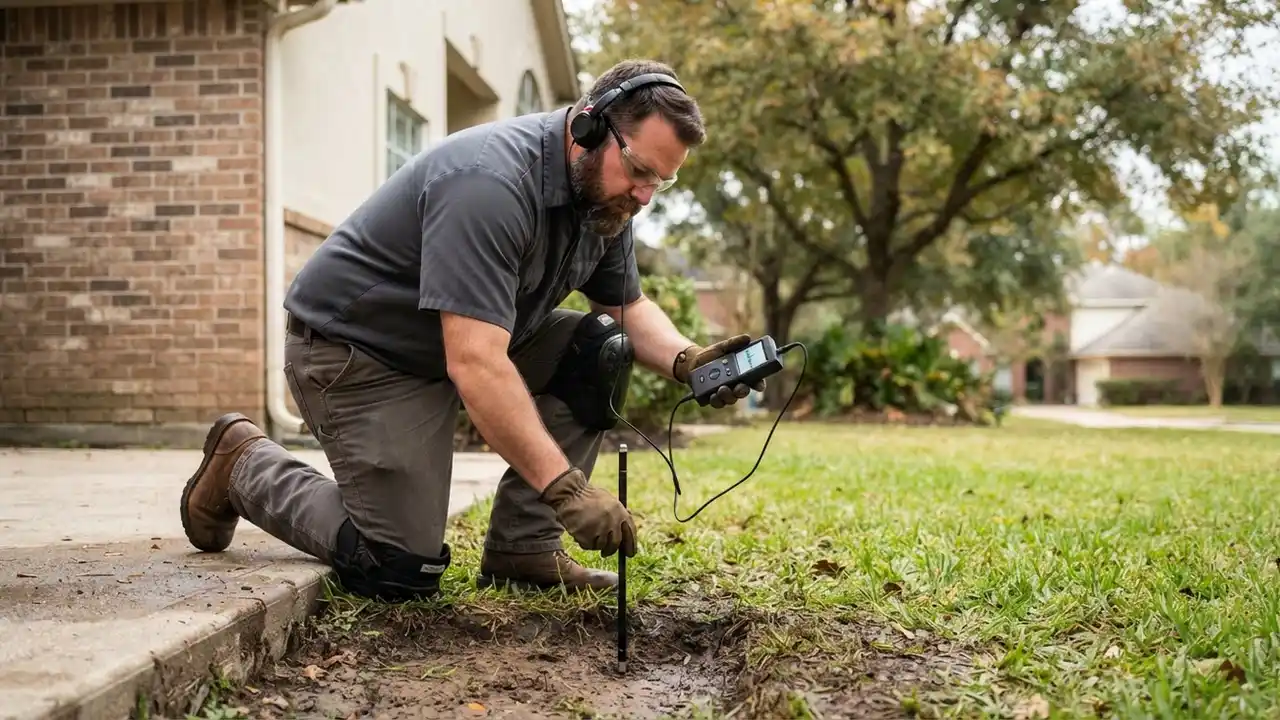 Foundation Leak DetectionFoundation movement from clay soil is a real concern in the 77005 and 77030 ZIP codes. When you see cracks in drywall or sticking doors, a hidden leak may be the cause. We pressure-test your system and use moisture meters to find water where it should not be.View details →
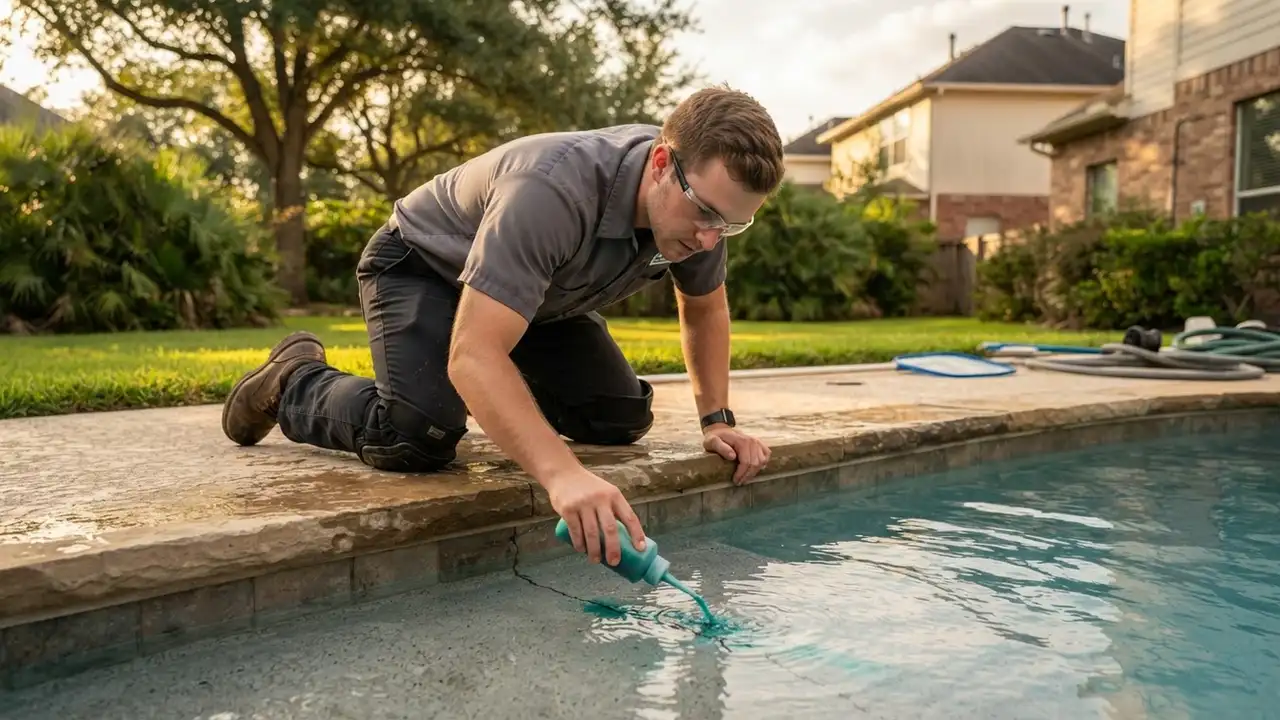 Pool Leak DetectionMuseum District homes with pools often have older plumbing that develops leaks at fittings and skimmer lines. We use pressure testing and dye testing to isolate the leak, whether it is in the shell, the plumbing, or the equipment pad. No draining required for most diagnostics.View details →
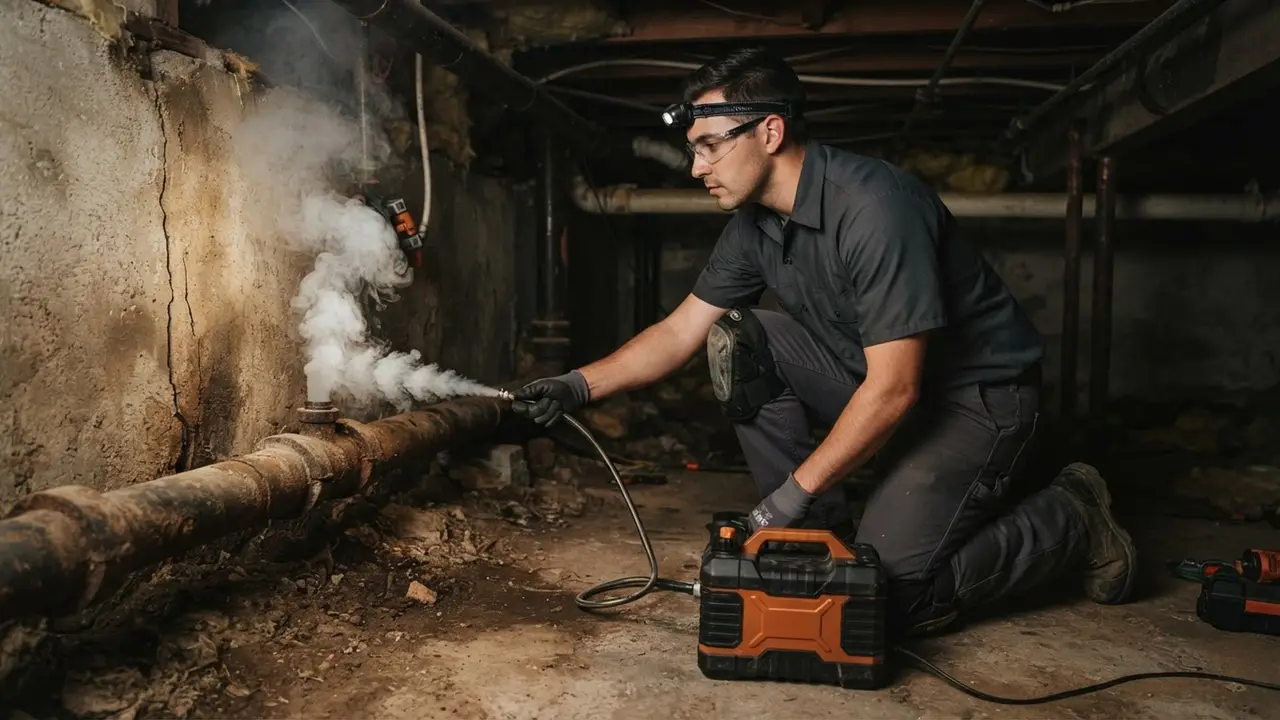 Sewer Line Leak DetectionMature oak trees near Hermann Park send roots into sewer lines, causing blockages and leaks. We run a pipe inspection camera through the line to see exactly what is happening, then use acoustic listening devices to locate the break. Camera inspection takes about an hour.View details →
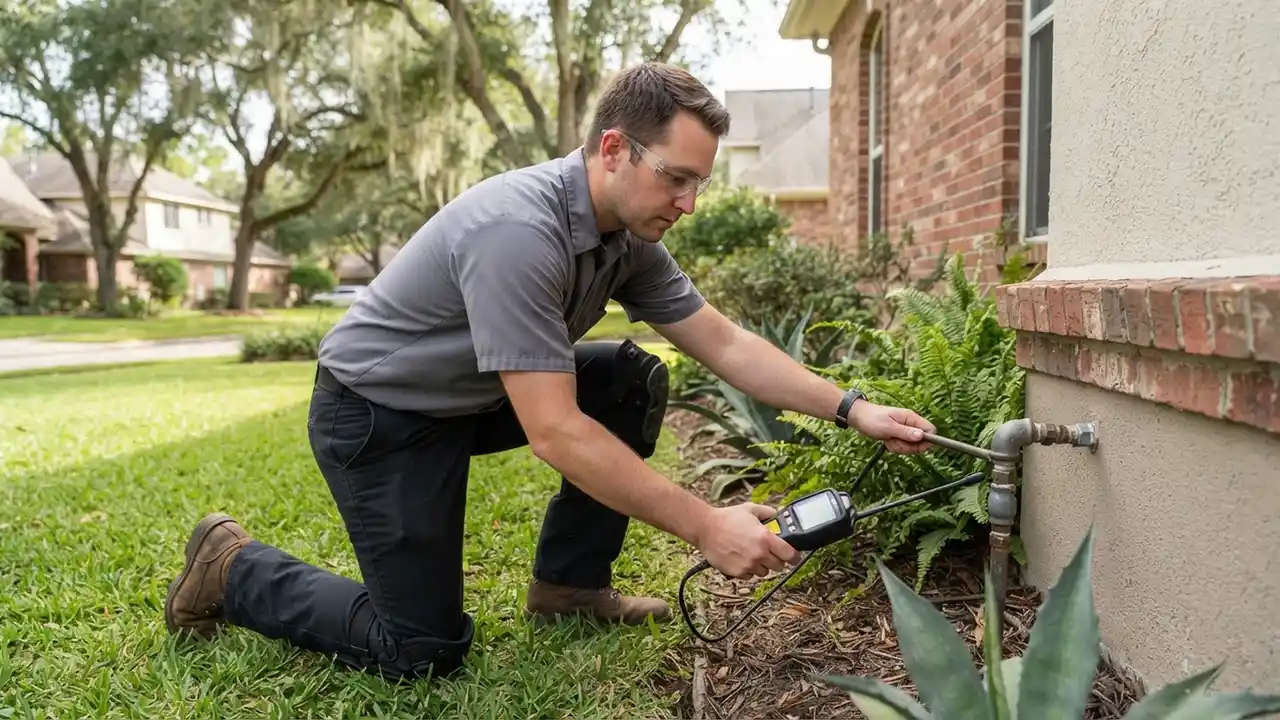 Gas Leak DetectionGas leaks are a safety emergency. If you smell gas near your meter or appliances, call us immediately. We use a tracer gas detector and pressure testing gauge to find the leak fast. Our technicians are trained to work safely around gas lines and coordinate with CenterPoint when needed.View details →
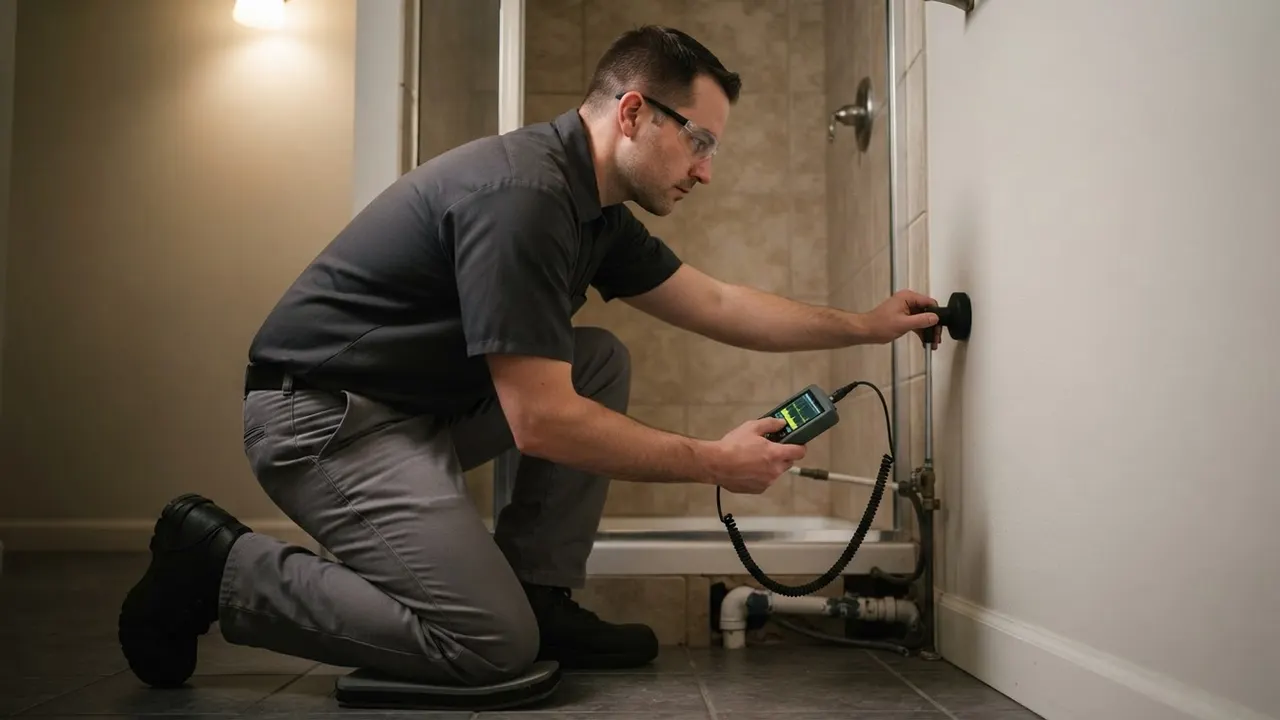 Plumbing Leak DetectionFrom dripping faucets to hidden pipe leaks behind walls, we handle all types of plumbing leaks in Museum District. Electronic leak detectors and moisture meters help us find the source without tearing into walls until we know exactly where to look.View details →
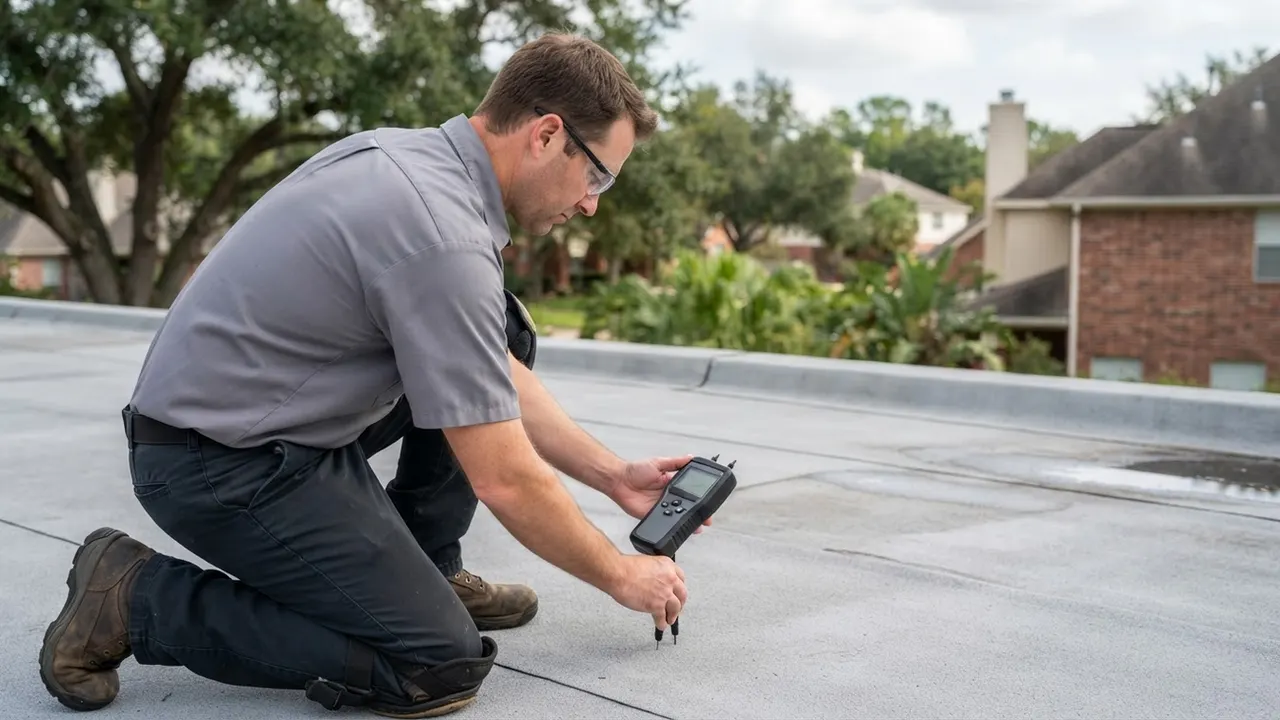 Roof Leak DetectionAfter a heavy Houston rain, roof leaks show up as ceiling stains or attic moisture. We use moisture meters and thermal imaging to trace the leak back to its entry point. Historic homes near the Museum of Fine Arts often have complex rooflines that require careful inspection.View details →
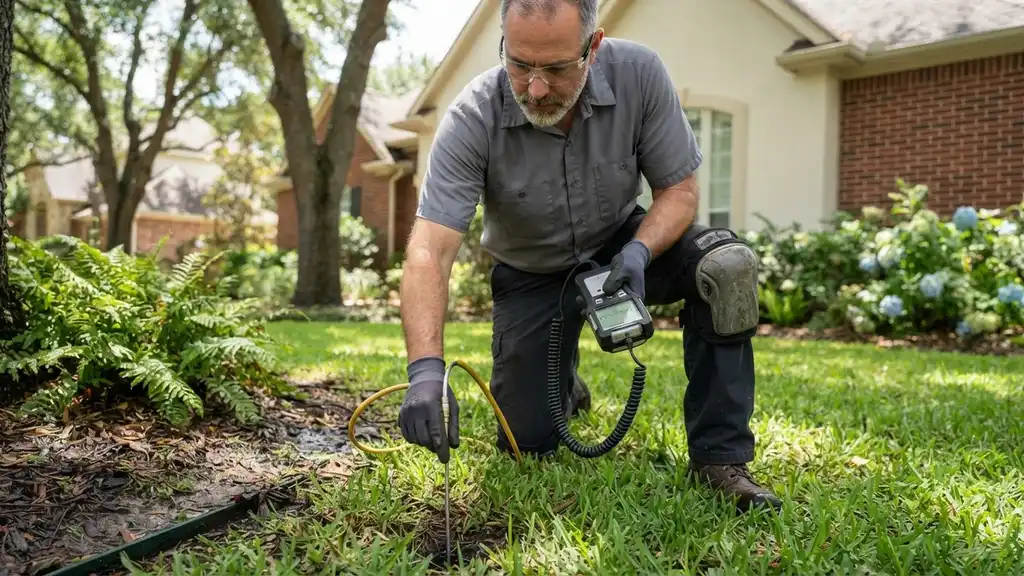 Irrigation System Leak DetectionA broken irrigation line can waste thousands of gallons before you notice. We pressure-test the system zone by zone to isolate the leak. Most irrigation leaks in Museum District are found at valve boxes or where lines cross tree roots.View details →
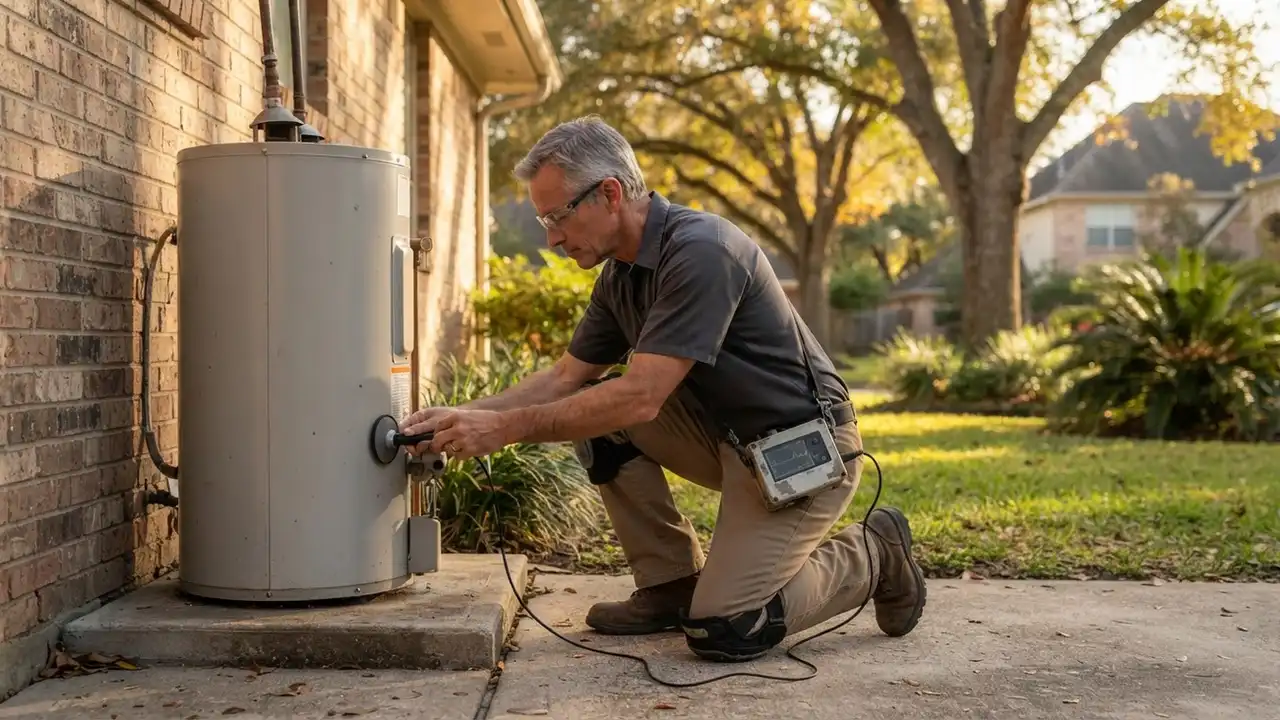 Water Heater Leak DetectionWater heaters in Museum District's older homes are often tucked into closets or attics. When they leak, the damage can be significant. We inspect the tank, fittings, and T&P valve to find the source. If replacement is needed, we can handle that too.View details →
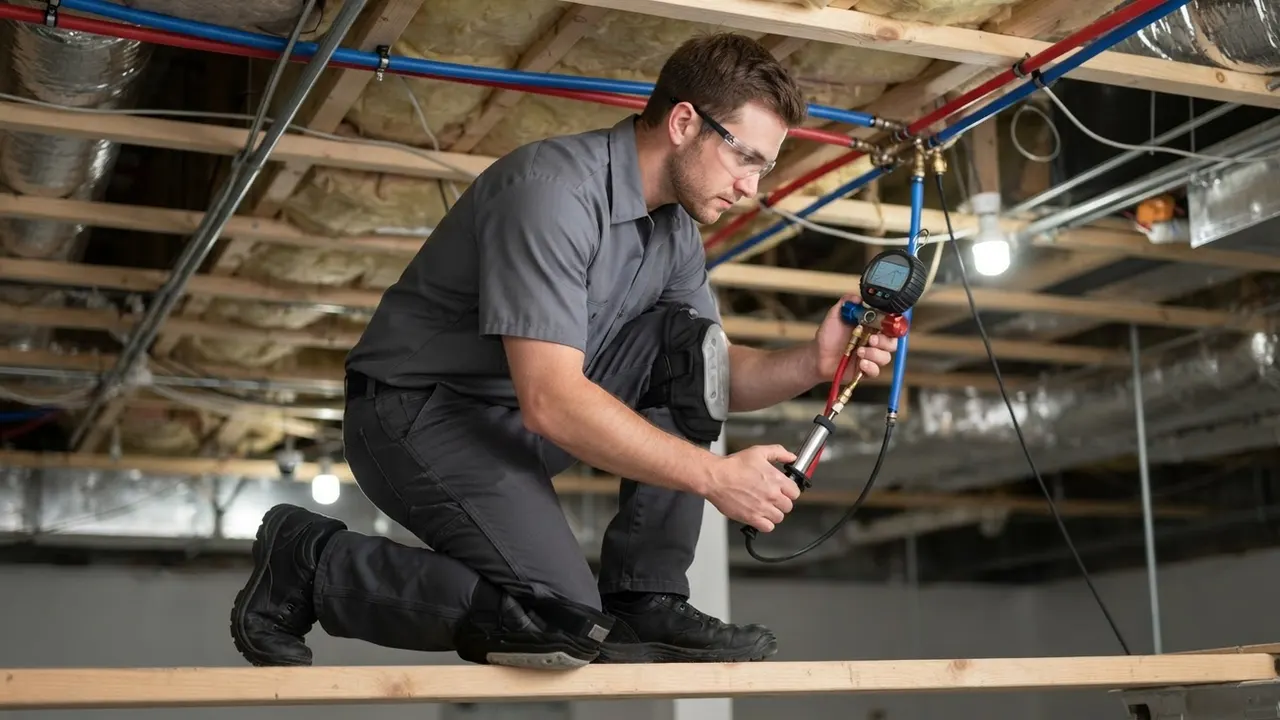 Pipe Leak DetectionCopper pipe and PEX tubing both develop leaks over time, especially in homes with shifting foundations. We use acoustic listening devices and pressure testing to locate pipe leaks behind walls, under slabs, and in crawl spaces. Most locations take under three hours.View details →
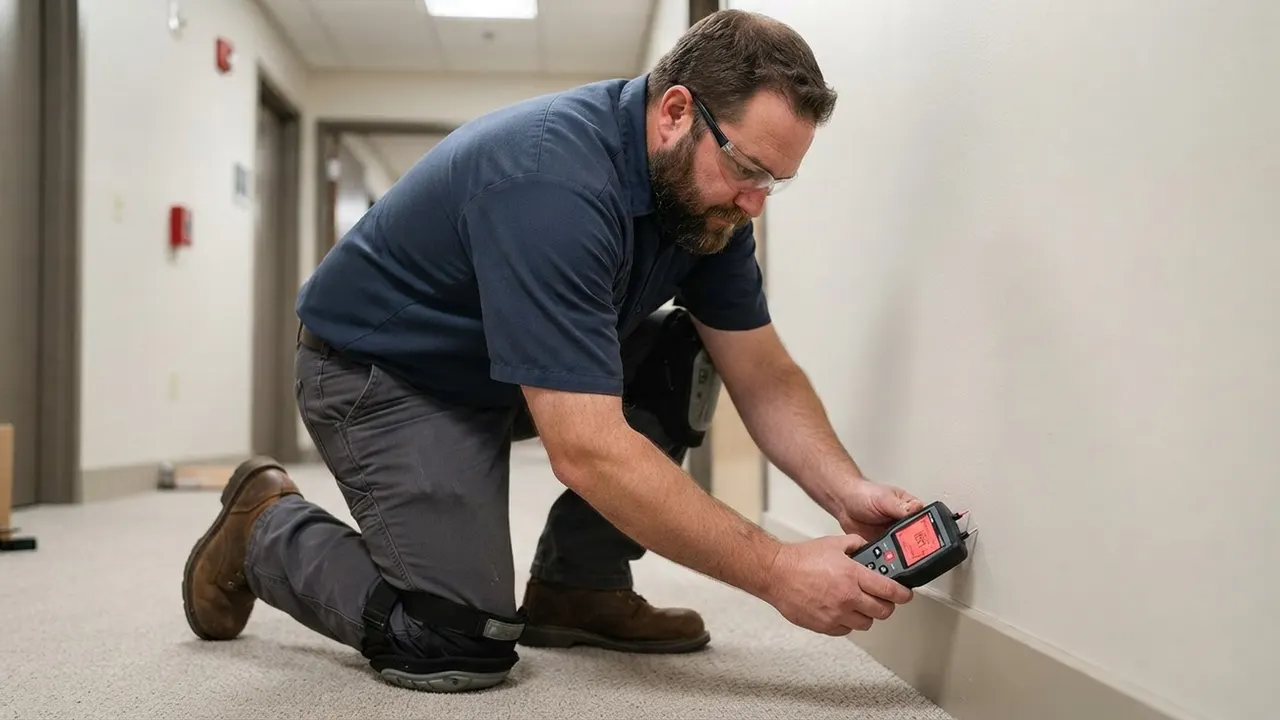 Electronic Leak DetectionElectronic leak detectors pick up moisture and sound signatures that human ears miss. We use them to scan walls, ceilings, and floors for hidden leaks. This is especially useful in Museum District's historic homes where we want to minimize invasive investigation.View details →
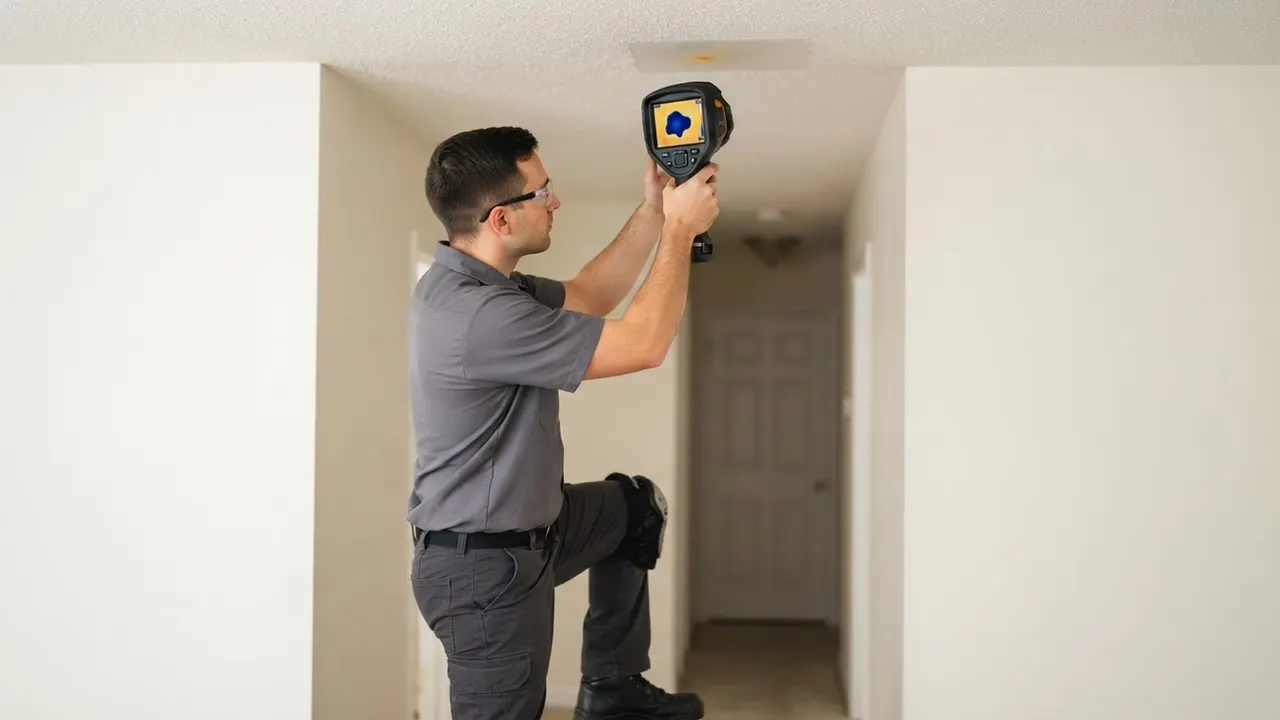 Thermal Imaging Leak DetectionFLIR thermal imaging cameras show us temperature differences caused by hidden moisture. We scan your walls and floors to see exactly where water is pooling. This non-invasive method is ideal for locating leaks under tile or hardwood without demolition.View details →
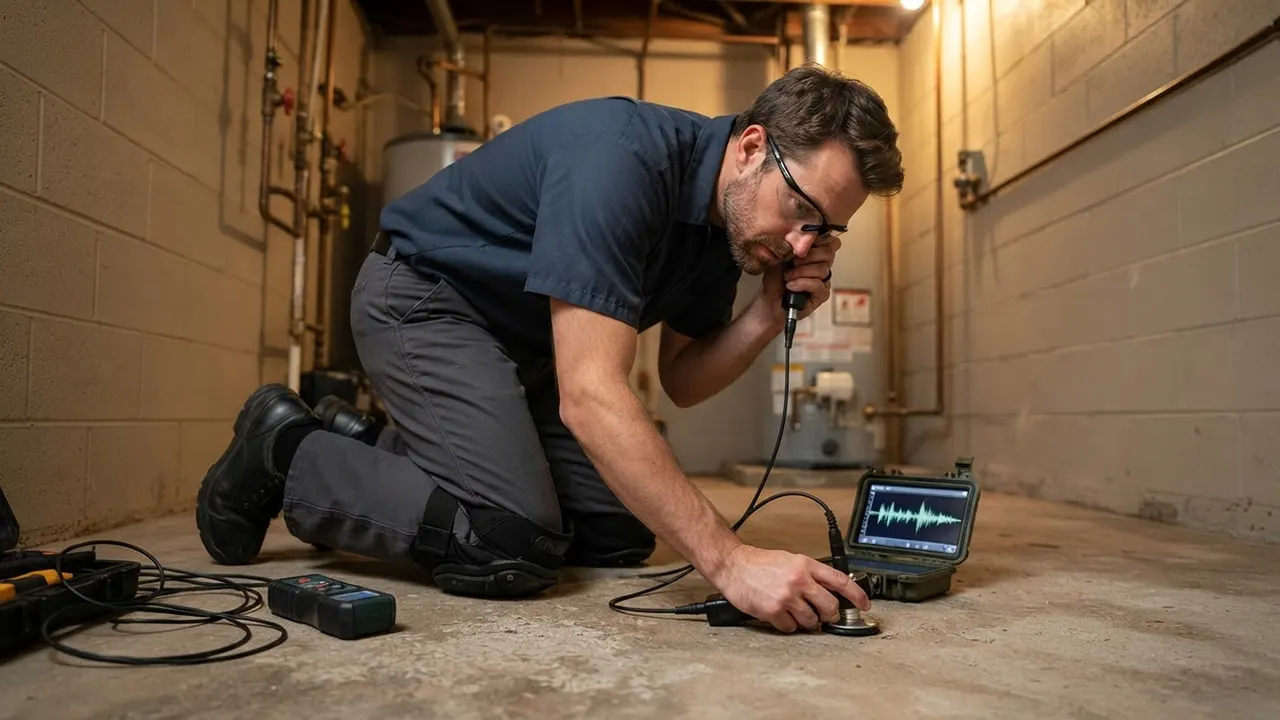 Acoustic Leak DetectionWater escaping from a pressurized pipe makes a sound. Our acoustic listening devices pick up that frequency through concrete and soil. We use this method daily in Museum District to pinpoint slab leaks and underground pipe leaks with accuracy within inches.View details →
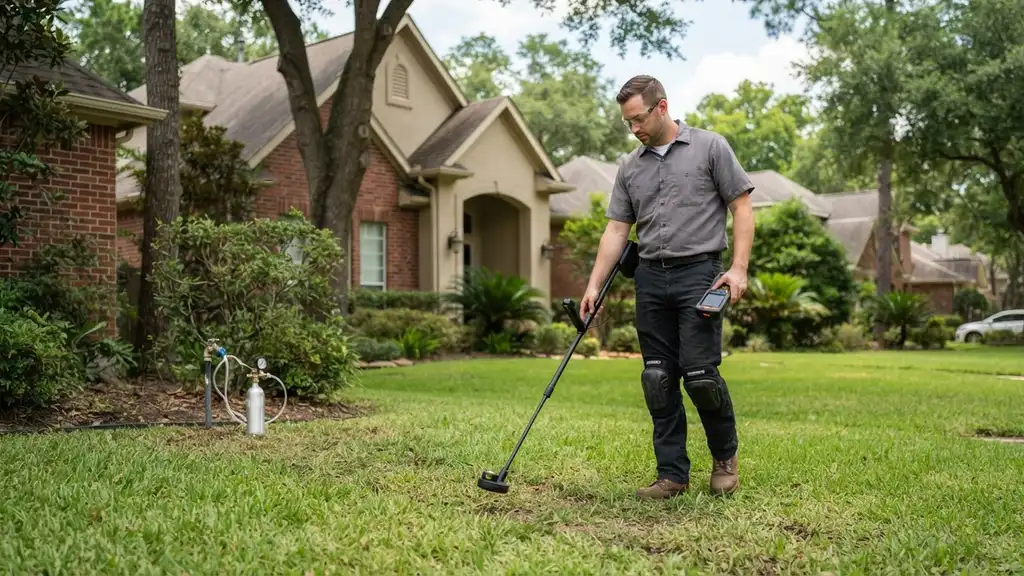 Tracer Gas Leak DetectionFor hard-to-find leaks, we introduce a safe tracer gas into the system and use a detector to find where it escapes. This method works well for concealed leaks and gas lines. It is one of the most accurate tools we carry.View details →
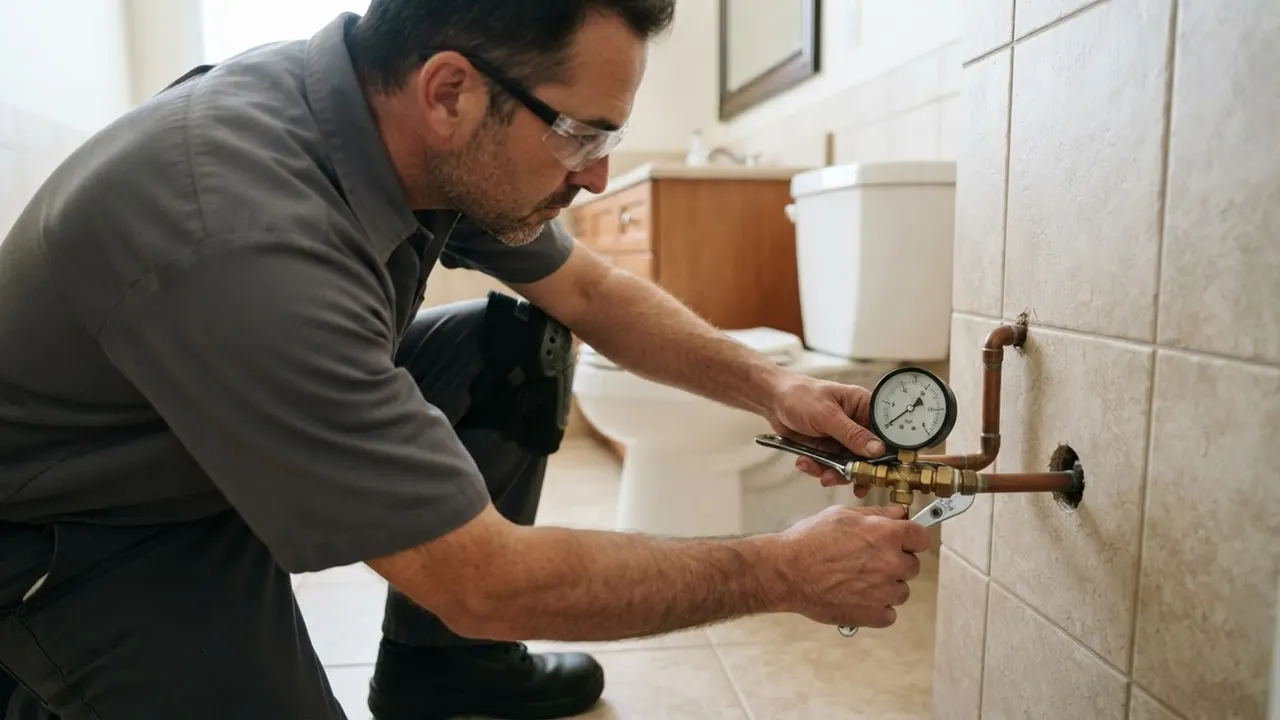 Pressure Testing for LeaksWe isolate sections of your plumbing and pressurize them to see if they hold. A pressure testing gauge tells us definitively whether a line is leaking and how severe it is. This is often the first step in diagnosing a hidden leak.View details →
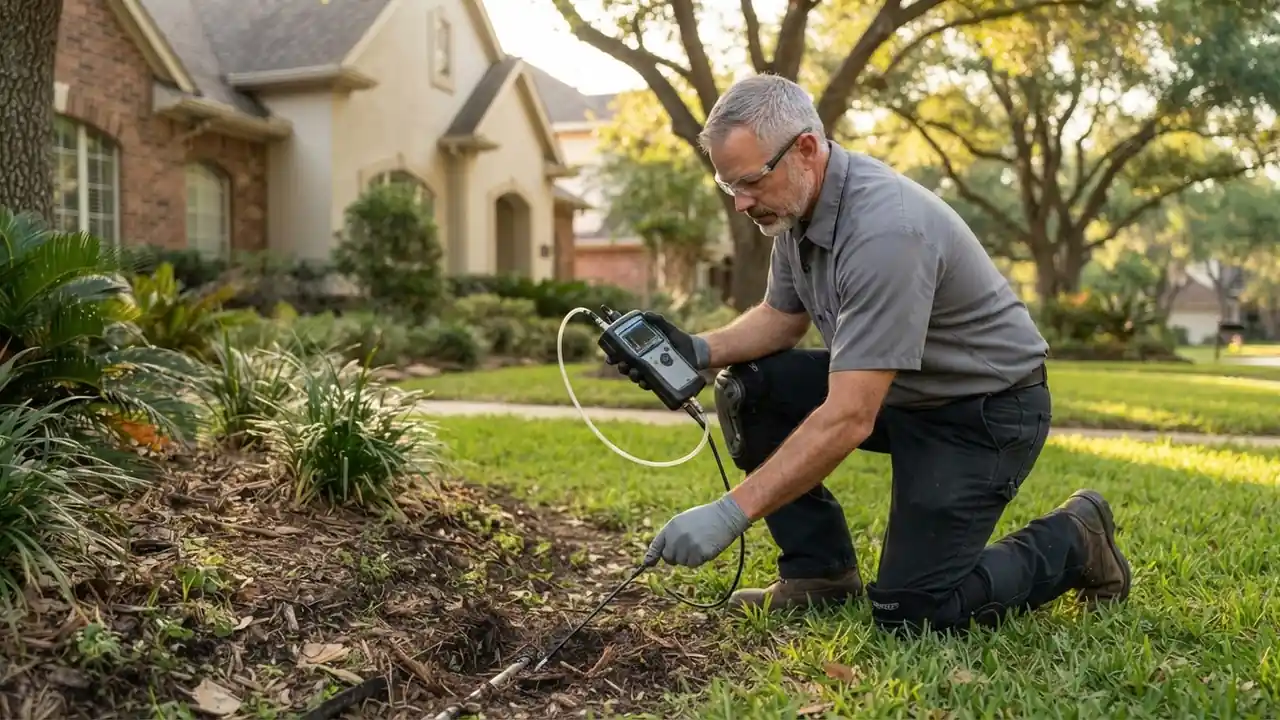 Underground Leak DetectionLeaks in water mains, sewer lines, and irrigation systems can run underground for months. We use acoustic listening devices and tracer gas to find them without digging up your entire yard. Most underground leaks are located in under four hours.View details →
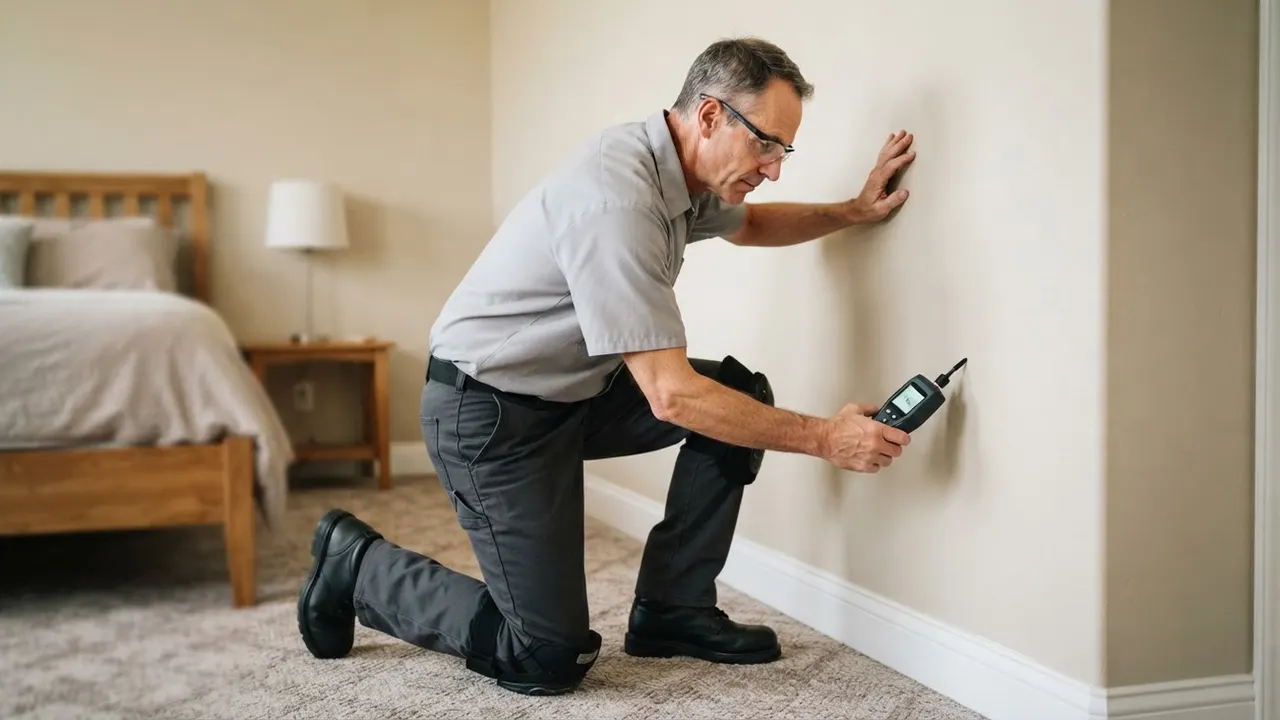 Concealed Leak DetectionLeaks behind walls, under floors, and inside ceilings are the hardest to find. We combine thermal imaging, acoustic listening, and moisture meters to locate concealed leaks with minimal disruption. You get a precise location before any repair begins.View details →
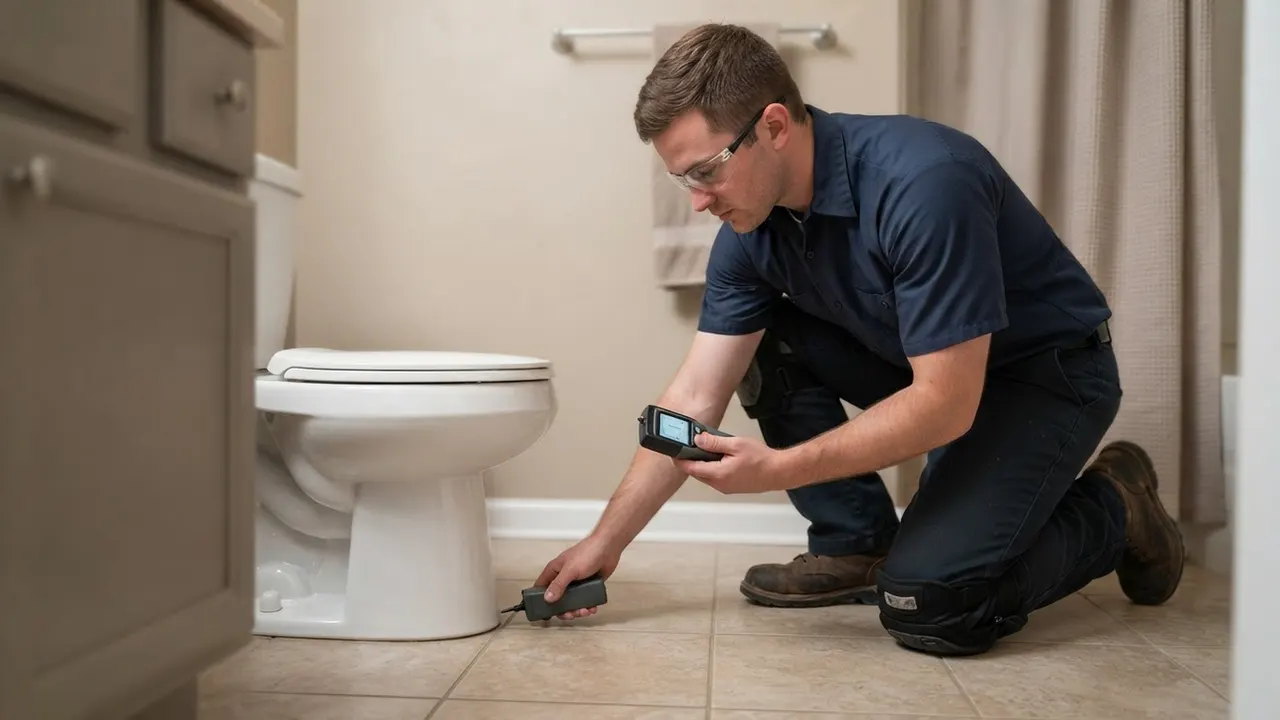 Toilet Leak DetectionA running toilet can waste 200 gallons a day. We check the flapper, fill valve, and seal to find the leak. If the leak is in the wax ring or flange, we can handle that repair too. Most toilet leaks are fixed same-day.View details →
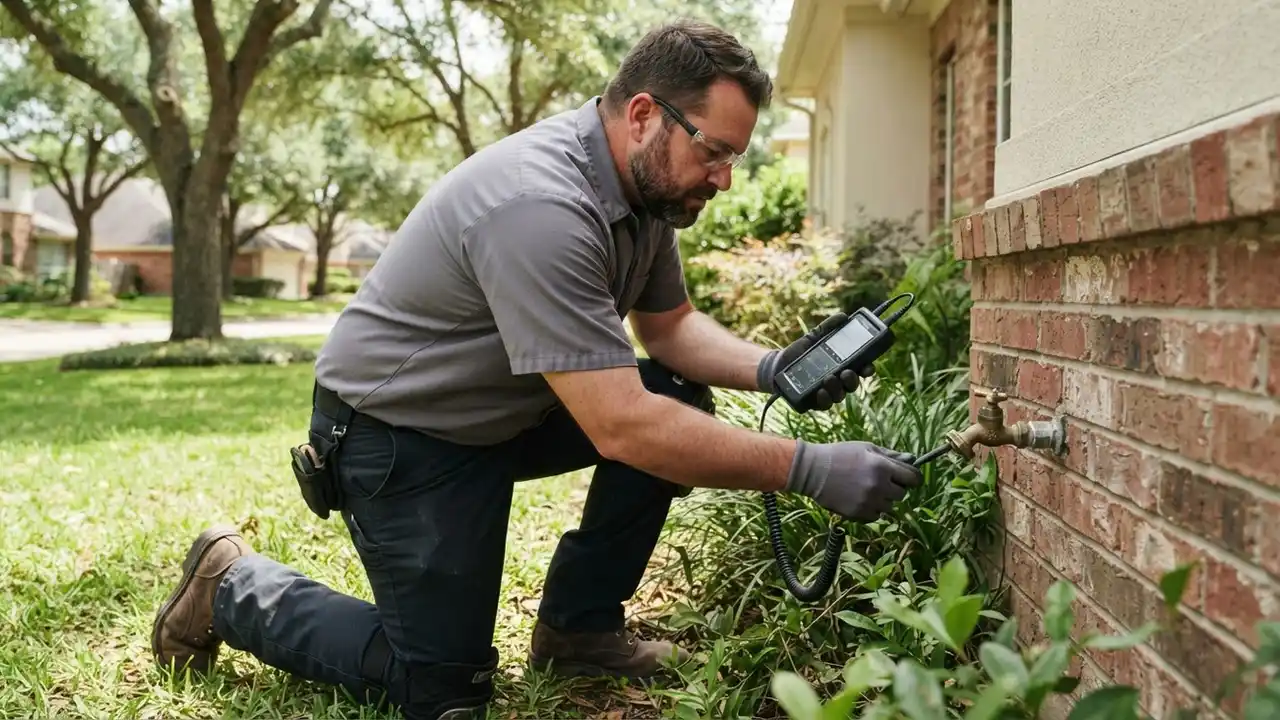 Faucet Leak DetectionDripping faucets are annoying and wasteful. We diagnose the cause, whether it is a worn cartridge, O-ring, or valve seat. In Museum District's older homes, faucet leaks often stem from hard water deposits. We fix the leak and restore full function.View details →
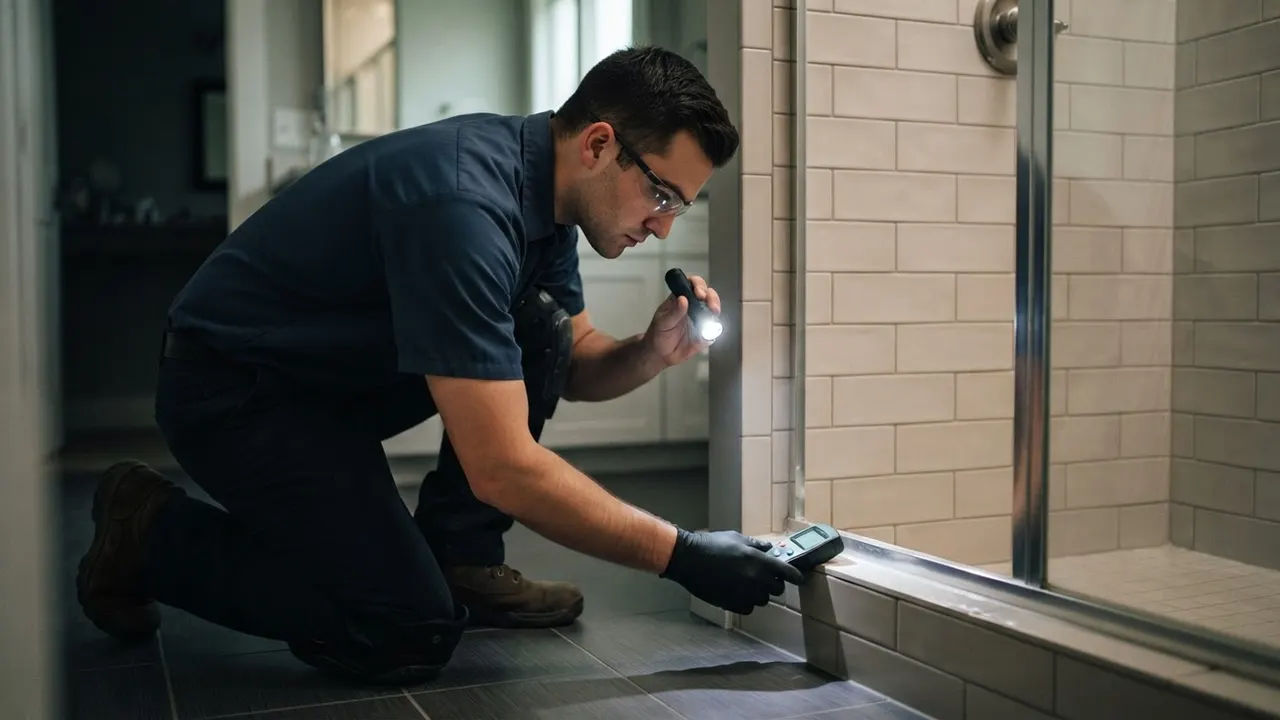 Shower Leak DetectionShower leaks can damage walls and subfloors before you see them. We inspect the shower pan, drain, and supply lines to find the source. If the leak is behind tile, we use moisture meters to confirm before opening the wall.View details →
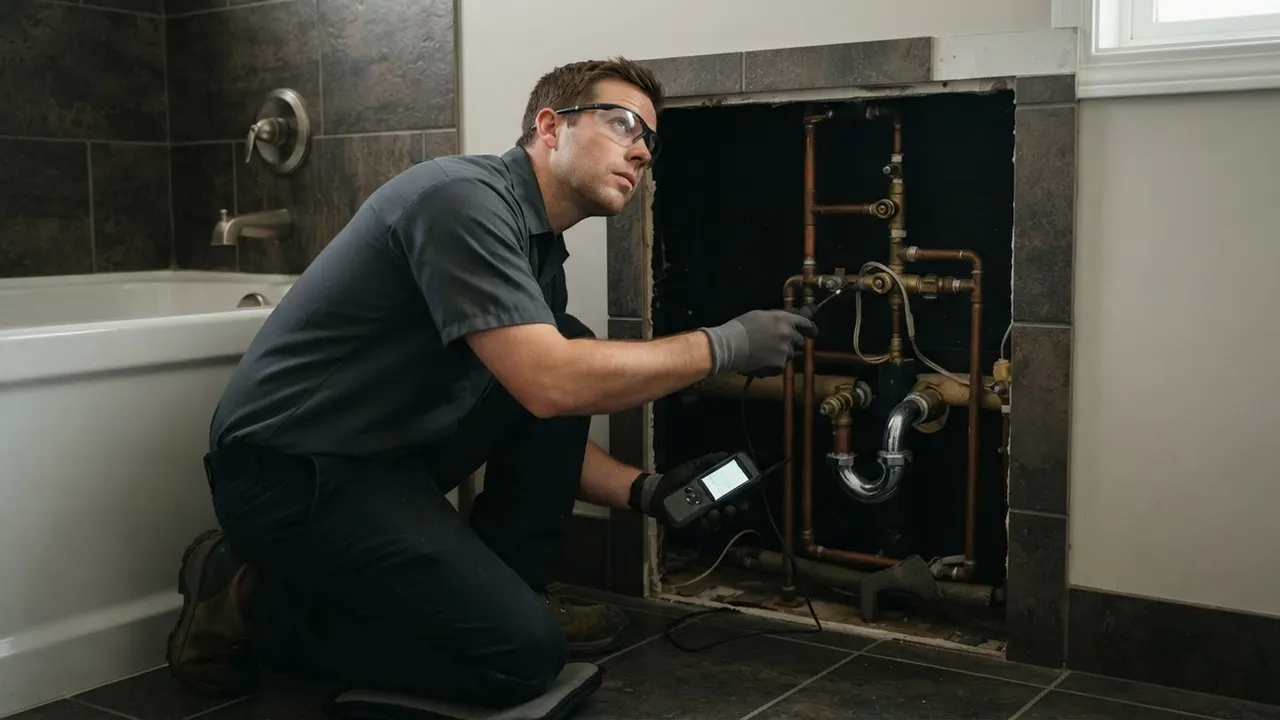 Bathtub Leak DetectionBathtub leaks often show up as stains on the ceiling below or soft spots in the floor. We check the overflow, drain, and supply lines. In older Museum District homes, tub leaks are often related to failing seals or corroded fittings.View details →
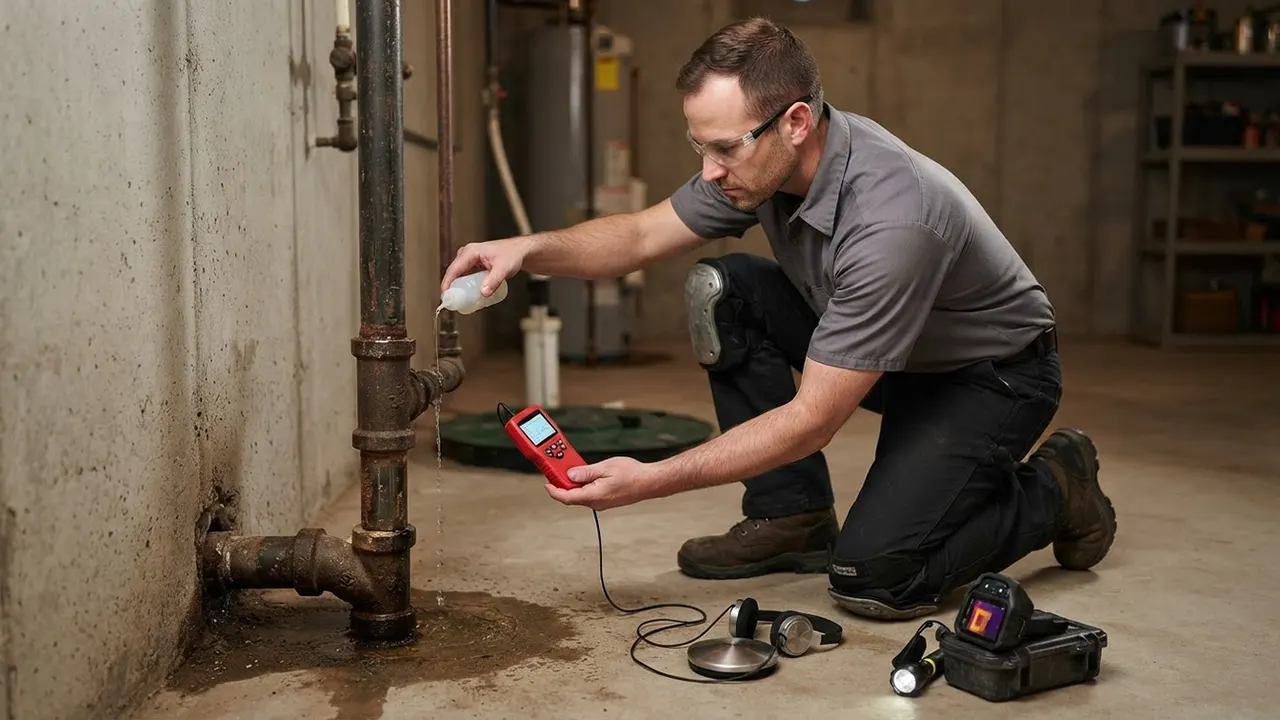 Drain Leak DetectionSlow drains and water stains around the base of fixtures can indicate a drain leak. We use pipe inspection cameras to see inside the drain line and locate the break. Most drain leaks are found within two hours.View details →
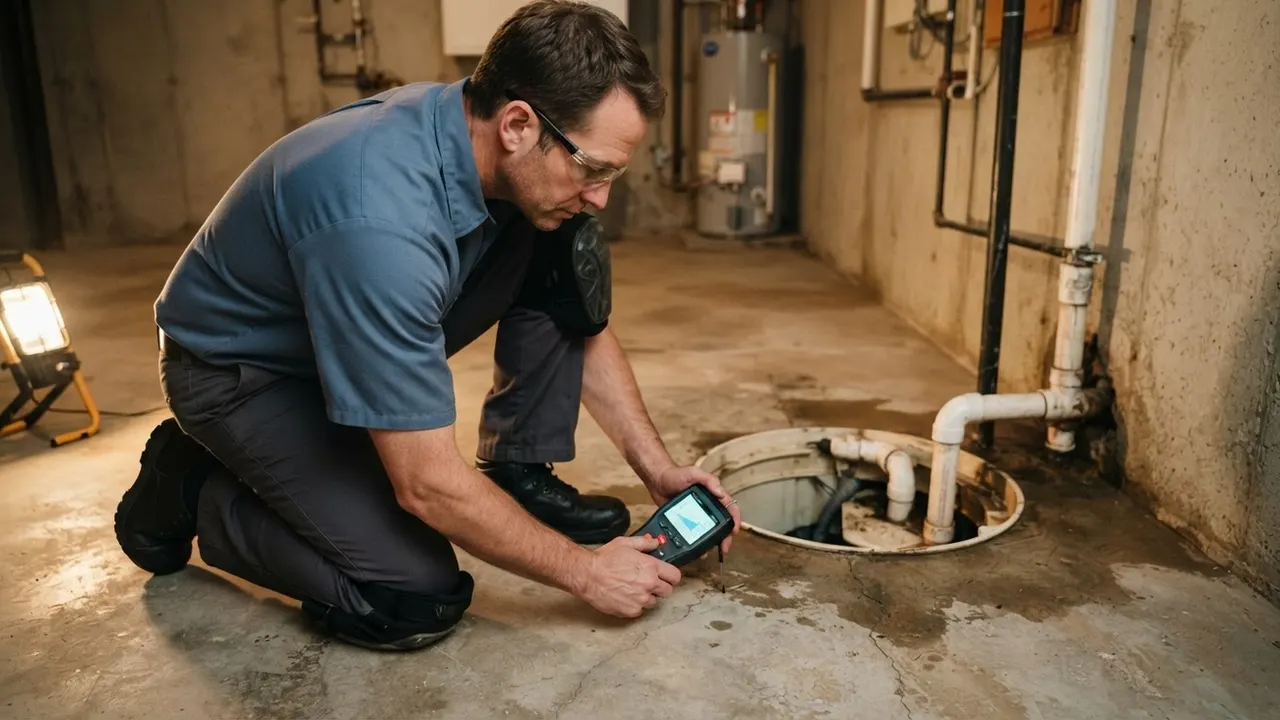 Sump Pump Leak DetectionIf your sump pump runs constantly or fails to keep up, there may be a leak feeding it. We inspect the pump, check valve, and discharge line. We also check for underground leaks that might be overwhelming the system.View details →
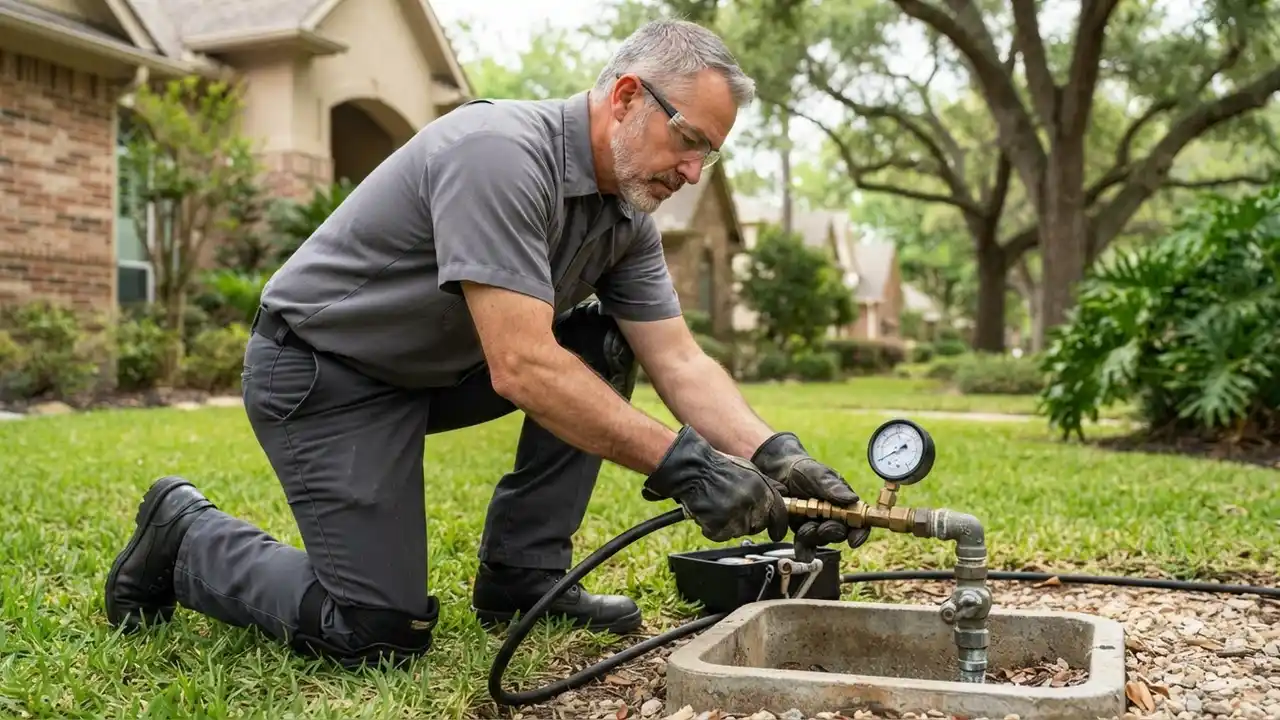 Water Main Leak DetectionA leak in your water main can waste thousands of gallons and undermine your foundation. We use acoustic listening devices and pressure testing to locate the leak. Most water main leaks in Museum District are found within a few feet of the meter or at fittings.View details →
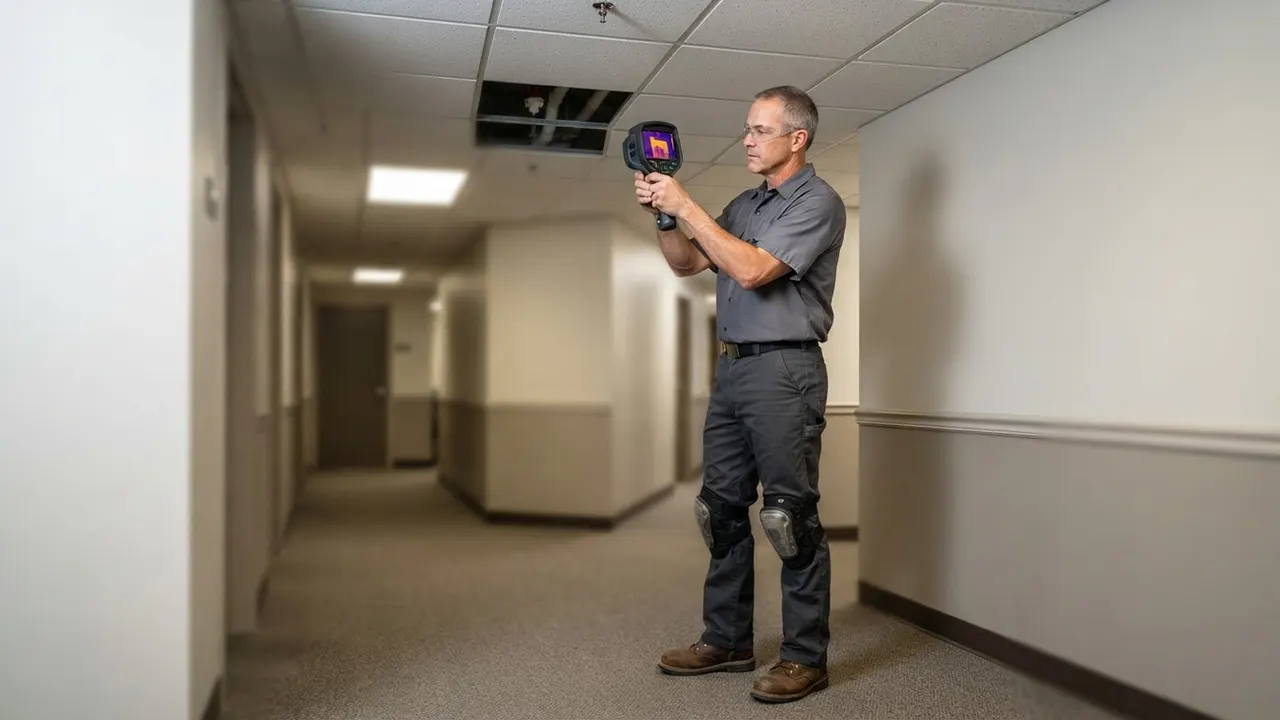 Fire Sprinkler Leak DetectionFire sprinkler systems in commercial buildings and some larger homes can develop leaks at heads, fittings, or valves. We pressure-test the system and use acoustic listening to find the leak. We coordinate with your fire protection contractor for repairs.View details →
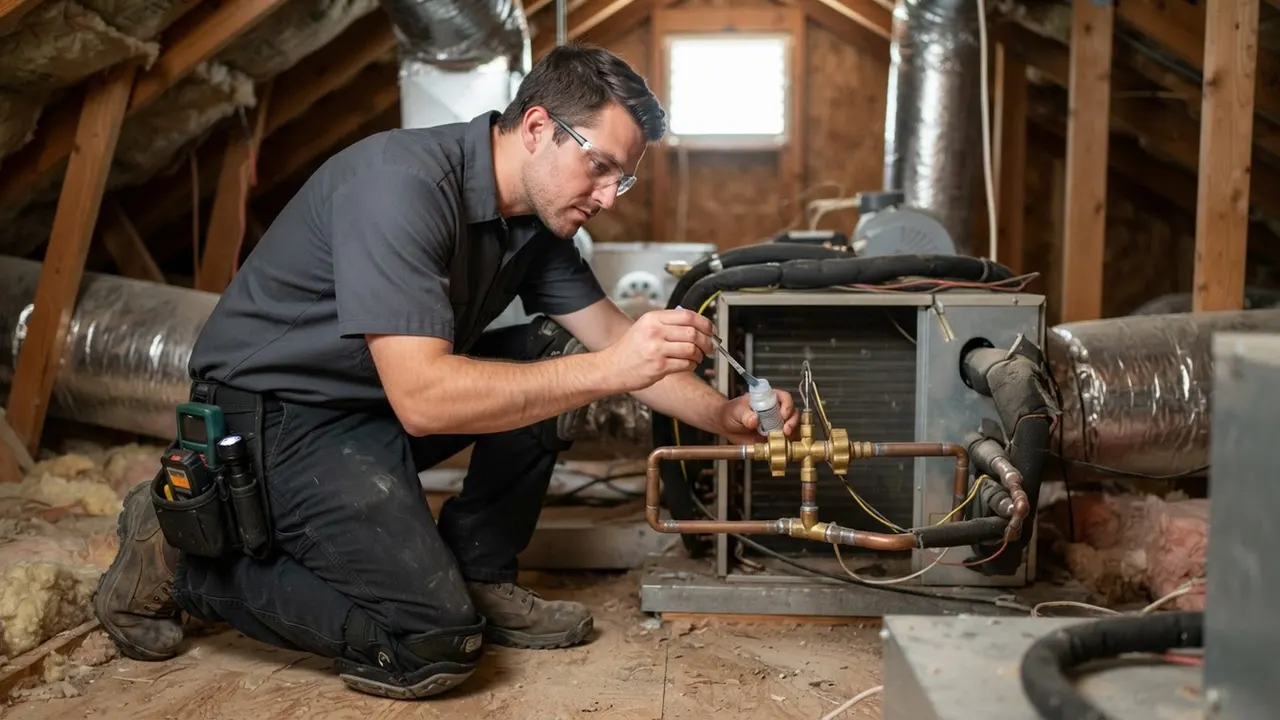 HVAC Leak DetectionHVAC leaks can be water or refrigerant. Water leaks from condensate lines are common in Houston's humidity. Refrigerant leaks require specialized detectors. We diagnose both and recommend the right repair.View details →
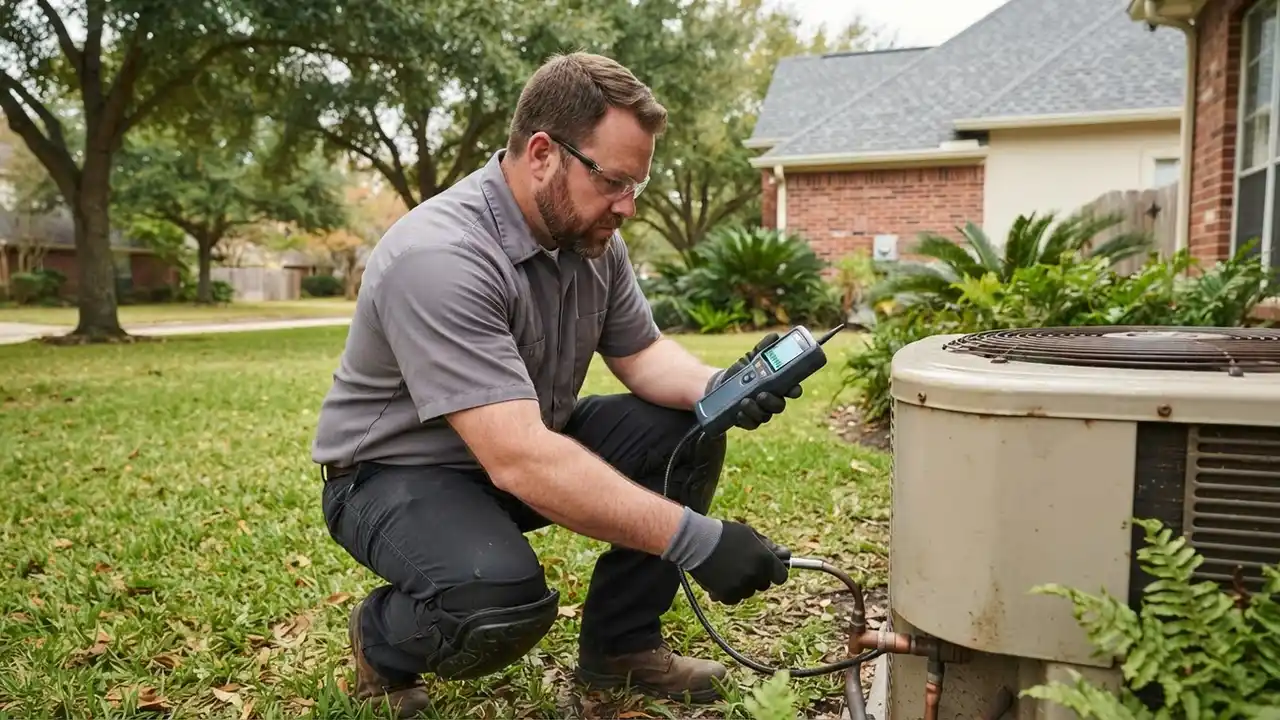 Refrigerant Leak DetectionIf your AC is not cooling like it should, a refrigerant leak may be the cause. We use electronic leak detectors and pressure testing to find the leak. Refrigerant leaks are common in older systems and can be expensive if not found early.View details →
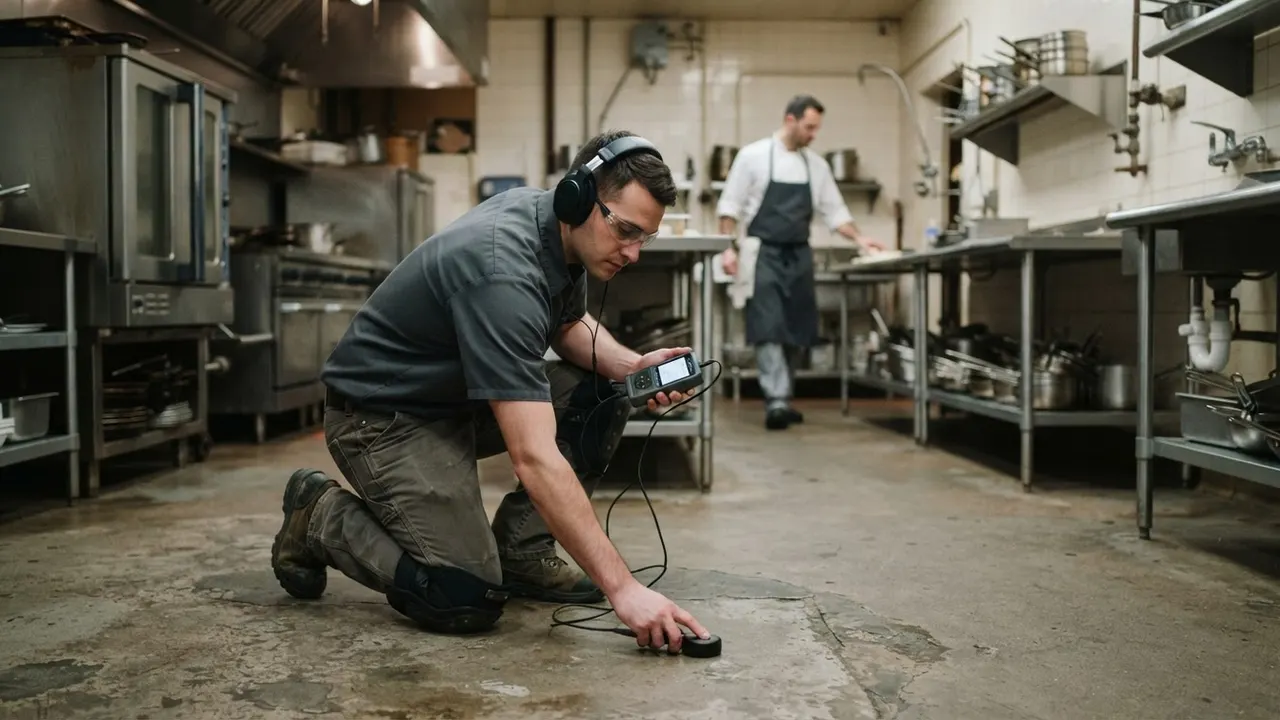 Commercial Leak DetectionMuseum District's commercial buildings, including those near the Museum of Fine Arts and Hermann Park, have complex plumbing systems. We handle leak detection for restaurants, offices, and institutional buildings. We work after hours to minimize disruption to your business.View details →
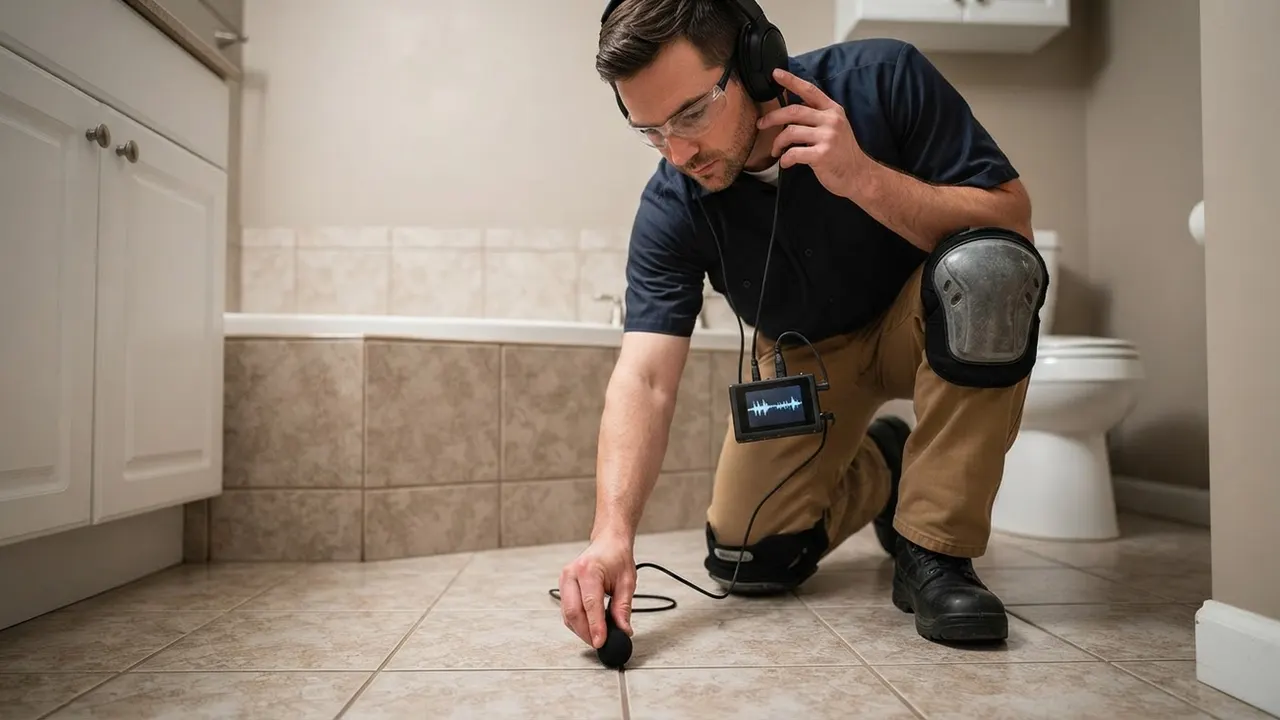 Residential Leak DetectionFrom historic bungalows near Southmore to mid-century homes along Binz, we have seen every type of residential plumbing in Museum District. We find leaks in slabs, walls, yards, and pools. One call, one solution.View details →
Leak Detection in Museum District requires a different approach than newer parts of Houston. The homes here were built before PEX tubing was standard, so we are often working with copper pipe, galvanized steel, and cast
The clay soil in Museum District expands when wet and contracts when dry, putting stress on pipes under slabs. This movement causes copper pipe to crack and fittings to loosen, leading to slab leaks that can go unnoticed for months.
How we help: We use acoustic listening devices and thermal imaging to locate slab leaks without breaking concrete. Once located, we recommend a repair that accounts for future soil movement, often using flexible PEX tubing for the replacement section.
The tree-lined streets of Museum District are beautiful, but oak roots seek out moisture in sewer lines. Roots enter through joints and small cracks, eventually causing blockages and leaks that can back up into your home.
How we help: We run a pipe inspection camera through your sewer line to see exactly where roots have entered. If the line is damaged, we can recommend repair options. For maintenance, we can clear roots and apply a foaming root killer to slow regrowth.
Many homes near Hermann Park still have original galvanized steel water lines and cast iron drain lines. These materials corrode over time, leading to pinhole leaks, reduced water pressure, and discolored water.
How we help: We inspect the inside of pipes with a camera when possible. If the pipe is too corroded to repair, we recommend replacement of that section. We use copper pipe or PEX tubing depending on the application and your home's existing plumbing.
Unexplained increase in water bill
Sound of running water when nothing is on
Warm spots on the floor
Cracks in walls or foundation
Mold or mildew smell in the house
Leak detection pricing in Museum District depends on the type of leak and how accessible it is. Most residential leak detection calls run between $250 and $600 for the diagnostic. If we find the leak and you hire us for the repair, we often credit the diagnostic fee toward the repair cost. Slab leaks and underground leaks take longer to locate and may cost more. We provide upfront pricing before we start any work, so you know exactly what to expect. For affordable Leak Detection in Museum District TX, call us and we will give you a clear estimate over the phone.
We offer 24/7 emergency Leak Detection Museum District TX. For non-emergency calls, we schedule same-day or next-day appointments. Our crews are on the road throughout Museum District daily, so we can often fit you in quickly. Call us at 832-839-4984 to schedule.
A simple faucet leak takes less time to find than a slab leak or underground leak. The more complex the leak, the higher the diagnostic cost. We use specialized equipment for hidden leaks, which adds time but ensures accuracy.
If the leak is behind a wall or under a slab, we may need to use more advanced tools like thermal imaging or tracer gas. This takes longer but avoids unnecessary demolition. Accessible leaks are faster and cheaper to locate.
Emergency calls after hours or on weekends may have a higher rate. We offer 24/7 emergency service, but standard business hours are the most economical. We will tell you upfront if an after-hours rate applies.
Museum District is defined by its landmarks. When you call us, we often use these as reference points to find your street quickly. The Houston Museum of Natural Science and the Museum of Fine Arts are major anchors. Hermann Park and Miller Outdoor Theatre are also familiar landmarks. Knowing these helps us navigate the neighborhood efficiently, especially during busy weekends when traffic around the museums can be heavy.
This landmark sits on Hermann Park Drive and is a major orientation point for the surrounding residential streets. If you are near the museum, we know exactly where to turn.
Located on Bissonnet Street, the MFA is another key landmark. Many of our customers live within walking distance. We use it to guide our route when heading to homes in the Museum Area.
Hermann Park is a central green space that borders several neighborhoods we serve. If your home backs up to the park, we can use the park entrances to access your street.
Miller Outdoor Theatre is located within Hermann Park and is a well-known performance venue. It helps us pinpoint addresses on the north side of the park.
These are our most frequently served ZIP codes. Nearby areas may also qualify—call if you do not see yours.
Museum Area · Hermann Park · Southmore · Binz
“We had a slab leak that another company misdiagnosed. Leak Detection The Heights came out and found it in under an hour using thermal imaging. They showed us exactly where it was and fixed it without tearing up our floors. I cannot recommend them enough.”
Sarah M.Museum Area
Verified“Our water bill doubled, and we could not figure out why. They came out same-day and used acoustic equipment to find a leak in our irrigation system. It was fixed in two hours. Fair price, no upsell.”
James R.Binz
Verified“We had a sewer line backup that kept coming back. They ran a camera and found tree roots. They replaced the damaged section and now everything works. They were professional and cleaned up after themselves.”
Linda K.Southmore
VerifiedOur team can help if your question is not answered here.
Call 8328394984 →Most residential leak detection calls in Museum District cost between $250 and $600 for the diagnostic. Slab leaks and underground leaks may cost more because they take longer to locate. If you hire us for the repair, we often credit the diagnostic fee toward the total. Call us at 832-839-4984 for a specific quote.
The best company is one that uses the right tools, shows you the leak location, and stands behind its work. We have been serving Museum District since 2013 and use acoustic listening devices, thermal imaging cameras, and pressure testing on every job. Our technicians are licensed and insured. Call us and we will show you the difference.
Yes, we offer 24/7 emergency Leak Detection Museum District TX. If you have a burst pipe, gas leak, or any emergency, call us at 832-839-4984. We will dispatch a crew to your location as quickly as possible. After-hours rates may apply.
Start by checking your water meter. Turn off all fixtures and see if the meter is still moving. If it is, you have a leak. Then call us. We use acoustic listening devices and thermal imaging to pinpoint the exact location without tearing up your home. Most leaks are found within two to four hours.
Yes. We provide upfront pricing before any work begins. Our diagnostic fees are competitive, and we credit the fee toward the repair if you hire us. We also offer same-day appointments and 24/7 emergency service. Call us for a quote.
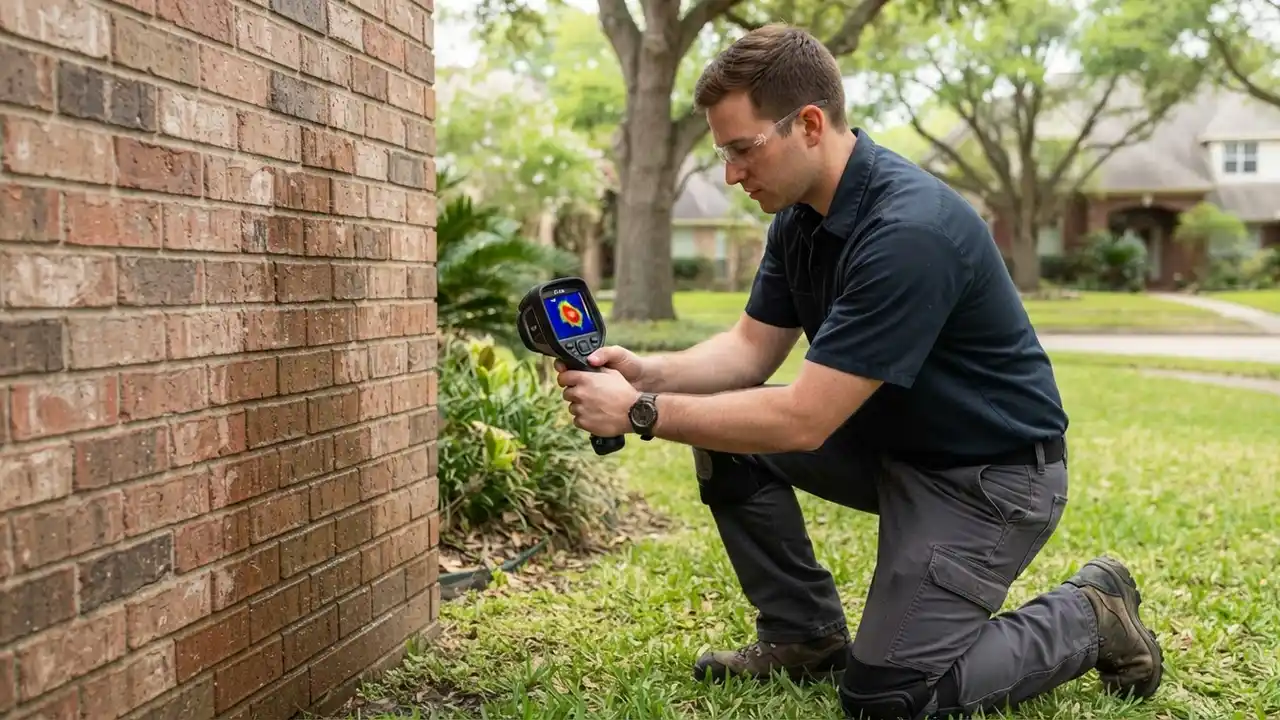
Licensed, insured, and answering the phone 24/7. We find the leak, fix it, and pressure test it before we leave. Flat detection pricing and a one-year workmanship warranty on repairs.
Tell us what you are seeing and where you are located. Our team will call to confirm the right appointment type and timing.