What Houston homeowners should check before hiring a leak detection pro
Before you hire a leak detection pro in Houston TX, verify licensing, insurance, equipment, and pricing. Here is the exact checklist our technicians wish every homeowner used.
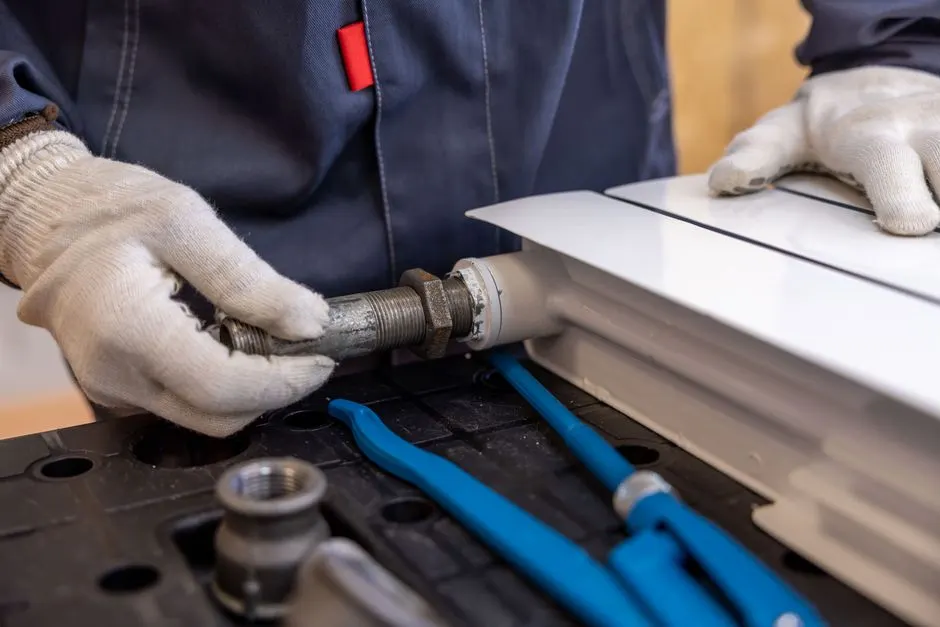
Before you hire a leak detection pro in Houston TX, verify four things: a current state plumbing license, general liability and workers comp insurance, electronic and acoustic detection equipment on the truck, and a written flat-rate price before any work starts. Skip any one of those and you are paying someone to guess. We have walked into hundreds of Houston homes where the previous "leak guy" cut drywall in three rooms and still missed the source. This guide walks through the exact checks our own technicians would run if they were hiring us, plus the questions that separate a real leak detection contractor Houston Texas homeowners can trust from a guy with a stethoscope and a flashlight.
Verify the license and insurance before anything else
A leak detection contractor Houston Texas homeowners hire must hold a current Texas plumbing license or work under one, because most leak detection ends in a repair that touches the potable water system. Texas does not issue a standalone "leak detection" license. The work falls under the plumbing trade, regulated by the Texas State Board of Plumbing Examiners (TSBPE).
Ask for the license number and the name on it. Then check it. The TSBPE license search is free and takes about 30 seconds. If the name on the license does not match the company or the technician showing up at your door, ask why. Sometimes a licensed master plumber owns the company and sends registered technicians - that is legal, as long as the master plumber is responsible for the work.
Insurance matters just as much. A slab leak repair can involve jackhammering concrete inside your home. A roof leak inspection can put someone on your shingles. If a worker gets hurt on your property and the company has no workers comp, your homeowner policy can get dragged into it. Ask for a certificate of insurance showing general liability of at least $1 million and active workers comp. Any legitimate company emails that certificate the same day.
If you are comparing us to another company, the fastest way to sort the field is to ask for the license number in your first phone call. Companies that have one give it without hesitation. Companies that do not will pivot to "we've been doing this for years" or "we don't need one for detection." Both answers are wrong.
What equipment should a leak detection pro in Houston actually bring?
A leak detection pro in Houston should arrive with electronic listening equipment, a thermal imaging camera, and pressure testing gear - not just a flashlight and a moisture meter. Houston's soil shifts with our clay-heavy ground, and slab leaks here rarely announce themselves the way they do in other markets. The water runs under the slab, finds a path, and shows up 20 feet from the actual break.
Here is what should be on the truck for a residential call:
- Acoustic listening disc or ground microphone - picks up the sound of pressurized water escaping a pipe under concrete.
- Thermal imaging camera - shows temperature differences where hot water lines are leaking under slab or behind walls.
- Electronic leak detection wand - for moisture mapping in walls, ceilings, and cabinets.
- Pressure testing rig - isolates a section of pipe and confirms whether it holds pressure.
- Tracer gas equipment - for hard-to-find leaks in pool plumbing or under thick slabs where acoustic alone is not enough.
If the person who shows up only has a moisture meter, they are not detecting. They are confirming what you already told them - that something is wet. That is a $75 tool doing a $500 job. We use Acoustic Leak Detection Houston TX on most slab calls because it pinpoints the break within a few inches, which means less concrete gets cut and the repair is smaller.
For pools, the equipment list changes. Pool leaks hide in the shell, the plumbing lines, the skimmer, and the light niche. A pool tech who only dye-tests the shell will miss a return line leak 30 feet away. We run pressure tests on each line and use Pool Leak Detection Houston TX gear that isolates the shell from the plumbing before anyone starts digging.
How do I find a reputable leak detection company in Houston TX?
Finding a reputable leak detection company in Houston TX comes down to three signals: verifiable reviews, a physical local address, and a willingness to explain the detection method before quoting a price. Anyone can buy a Google listing. Not everyone can show you 40 reviews from the last 12 months with real names and real neighborhoods.
Read the reviews that mention a specific problem. "Fixed our slab leak in Meyerland" tells you more than "great service." Look for patterns. If three reviews mention the same technician by name, that technician probably still works there. If reviews stop six months ago, the company may have changed hands or slowed down.
Check the address. A Houston-based company has a Houston address, a Houston phone number, and trucks that show up with Harris County tags. Out-of-town outfits subcontract local labor, which means the person at your door has no relationship with the company whose name is on the invoice.
Ask how they handle a leak they cannot find. Every honest company has a plan for that - a second visit, a different method, or a referral to a specialist. Companies that promise they always find it on the first try are either lying or planning to charge you for exploratory demolition.
We are based in the Heights and work across the inner loop and out to Katy, Sugar Land, and Pearland. If you want a benchmark for what a straight answer sounds like, call us and ask how we would approach a slab leak in a 1950s bungalow versus a 2015 build. The answer should be different, because the plumbing is different.
Questions to ask a leak detection company in Houston TX
Questions to ask a leak detection company in Houston should cover licensing, method, price, and what happens if the first visit does not find the leak. Write these down before you call. The answers tell you more than any website.
- What is your TSBPE license number, and who is the master plumber on record? Write it down and verify it.
- Are you insured, and can you email the certificate today? General liability plus workers comp.
- What detection method will you use on my specific problem? Slab, wall, pool, and sewer leaks each need different tools.
- Is the detection fee flat, or does it change based on how long it takes? Flat is better. Hourly detection rewards slow work.
- Does the detection fee get credited toward the repair if I hire you? Many Houston companies apply it. Ask.
- What happens if you cannot find the leak? A real answer exists. "We always find it" is not one.
- Will you cut drywall or concrete during detection? Good detection avoids demolition. Repair may need it, but detection should not.
- How long until I get a written report and a repair quote? Same day is standard. Next day is acceptable. A week is not.
If the person on the phone cannot answer questions 1 through 4 without putting you on hold, that is your answer. Call the next company.
How pricing works for leak detection in Houston
Leak detection pricing in Houston in 2026 runs $250 to $600 for a standard residential detection visit, depending on the method and how many systems need to be isolated. Slab leaks sit at the higher end because the technician is running acoustic and thermal equipment and often pressure-tests two or three zones. Pool leak detection runs $300 to $550. Sewer line camera and leak detection combined runs $350 to $700.
Those numbers cover detection, not repair. Repair is quoted separately once the leak is located. A slab leak repair can run $1,500 to $4,500 depending on how much concrete has to be opened and whether the line is rerouted overhead. A pool line repair is usually $400 to $1,200. A pinhole leak in a wall is often under $500.
Two pricing traps to watch for. First, a "free detection" that turns into a $2,000 repair quote with no itemization. Second, an hourly detection rate with no cap. If a company charges $150 an hour and will not give you a maximum, you are writing them a blank check. We quote flat detection fees and apply them to the repair when you hire us for the fix.
Ask whether the price includes a written report with photos and the detection method used. That report matters if you file an insurance claim or sell the house. It also protects you if a second company later claims the first one got it wrong.
What to watch out for when hiring
Red flags in leak detection are consistent across Houston. The most common is a company that quotes a repair before it has located the leak. If someone tells you over the phone that you need a $3,000 slab repair without seeing the house, they are selling, not detecting.
Other things to watch:
- No license number on the website or invoice. Texas requires it. Its absence is a choice.
- Cash-only payment with no receipt. You have no recourse if the repair fails.
- Pressure to decide on the spot. A real leak is not going anywhere in the next 24 hours unless it is a gas leak.
- Detection that involves cutting drywall immediately. Acoustic and thermal tools should locate the leak before any wall opens.
- No written report. You paid for information. Get it in writing.
One more: be wary of any company that claims to detect a leak without entering the house. Slab leaks, wall leaks, and drain leaks all require interior access to isolate the system. A truck-mounted camera cannot find a leak behind your shower valve.
When to call a professional
Call a professional when your water bill jumps more than 20 percent month over month with no change in usage, when you hear water running with every fixture off, or when you see a warm spot on the floor that stays warm after the AC has been off for an hour. Those three signs point to a pressurized line leak that will get worse.
Also call if you smell gas near a water heater or furnace, if your pool loses more than two inches of water in a week with normal evaporation, or if a section of your yard stays soggy while the rest is dry. Each of those has a specific detection method, and guessing wastes money.
We handle residential and commercial leak detection across Houston. Our technicians carry the equipment listed above on every truck, and we give you a written report with the detection method and findings before we quote any repair. If you want a second opinion on a quote you already have, we will tell you honestly whether it is in the right range.
Frequently Asked Questions
What should I ask a leak detection company in Houston TX?
Ask for their TSBPE license number, proof of insurance, the specific detection method they will use, whether the fee is flat or hourly, and what happens if they cannot find the leak. A company that answers all five without hesitation is worth hiring.
How do I verify a leak detection pro is licensed in Houston?
Get the license number and the name on it, then search the Texas State Board of Plumbing Examiners database online. The search takes under a minute. If the name does not match the company or technician, ask who the responsible master plumber is.
Are leak detection companies in Houston Texas insured?
Legitimate ones carry general liability of at least $1 million and active workers comp. Ask for a certificate of insurance and expect it the same day. If a company cannot produce one, do not let them work in your home.
How do I find a reputable leak detection company in Houston TX?
Read recent reviews that mention specific neighborhoods and problems, confirm a local Houston address, and ask how they handle a leak they cannot find. A company with a clear answer to that last question is usually the one to hire.
How much does leak detection cost in Houston in 2026?
Residential detection runs $250 to $600 depending on method. Slab and pool detection sit at the higher end. The detection fee is separate from repair and is often credited toward the repair if you hire the same company.
Get help with Leak Detection in Houston
If you have water where it should not be, we will find it, show you exactly where it is, and quote the repair before we touch anything. Call Leak Detection The Heights at 832-839-4984 and we will get a technician to your door.